





If you’re not enabling digital-first experiences like push provisioning of cards to mobile wallets, you can forget about being top-of-wallet.
Competition for financial services customers is at an all-time high. Add to that the pandemic’s acceleration of contactless payment usage–and mobile wallet use, in particular–and you’ll begin to see why more issuers and program managers are opting to use push provisioning to get their cards into mobile wallets faster.
As many as 55% of all traditional credit unions and banks will be using push provisioning by the end of 2024, according to a new report released on Jan. 20 by Aite-Novarica. Most fintechs and challenger banks have already embraced the capability.
"Issuers are starting to see real value in push provisioning because it's easier for the cardholder than manually keying in their account details, it's secure and it gives cardholders the ability to use their cards at onboarding before they receive their physical card in the mail,” says David Shipper, the report’s author and strategic advisor at Aite-Novarica. “As consumers continue to increase their adoption of contactless payments, financial institutions and digital banks must make sure their cards are easy to use on the mobile device."
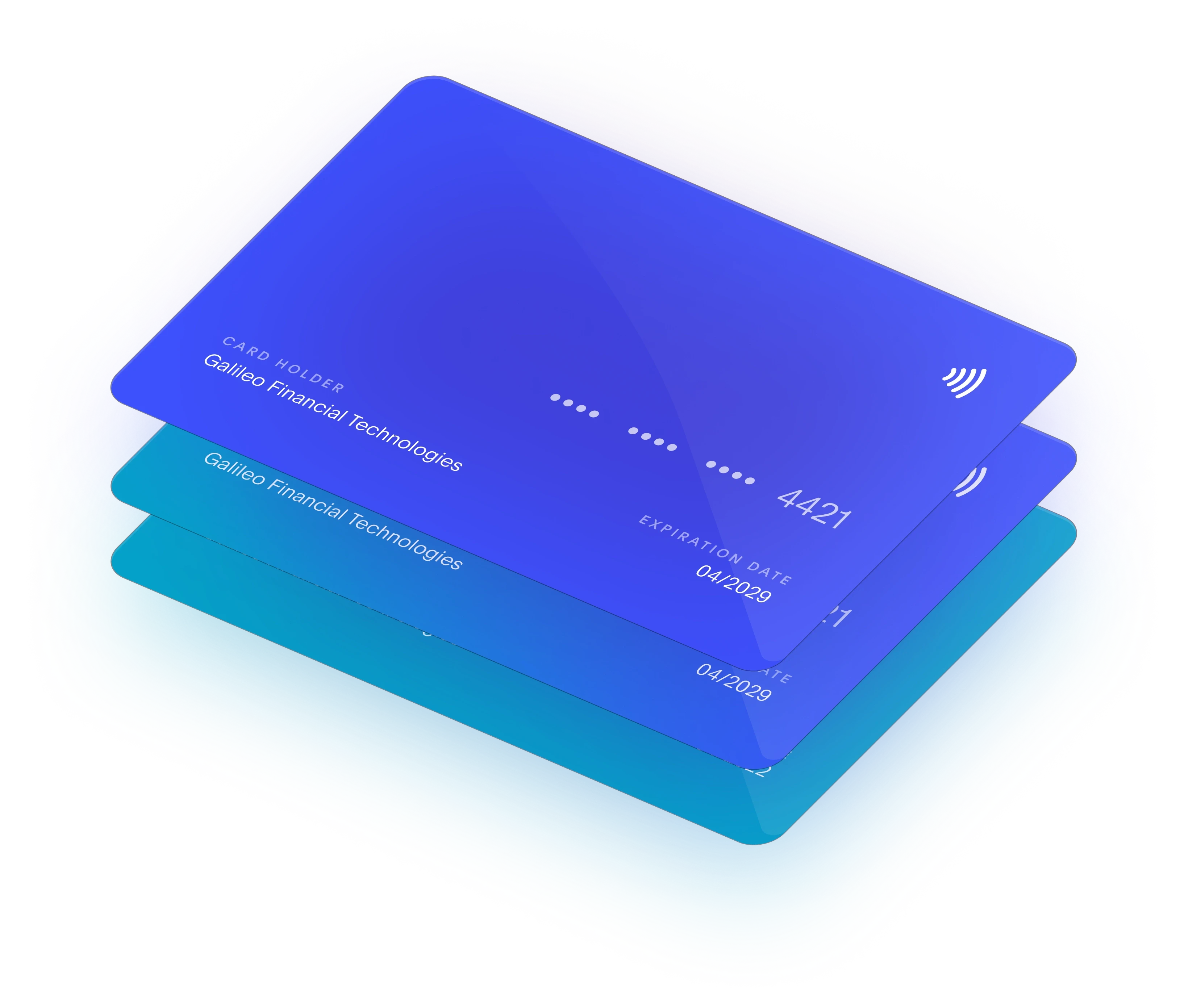
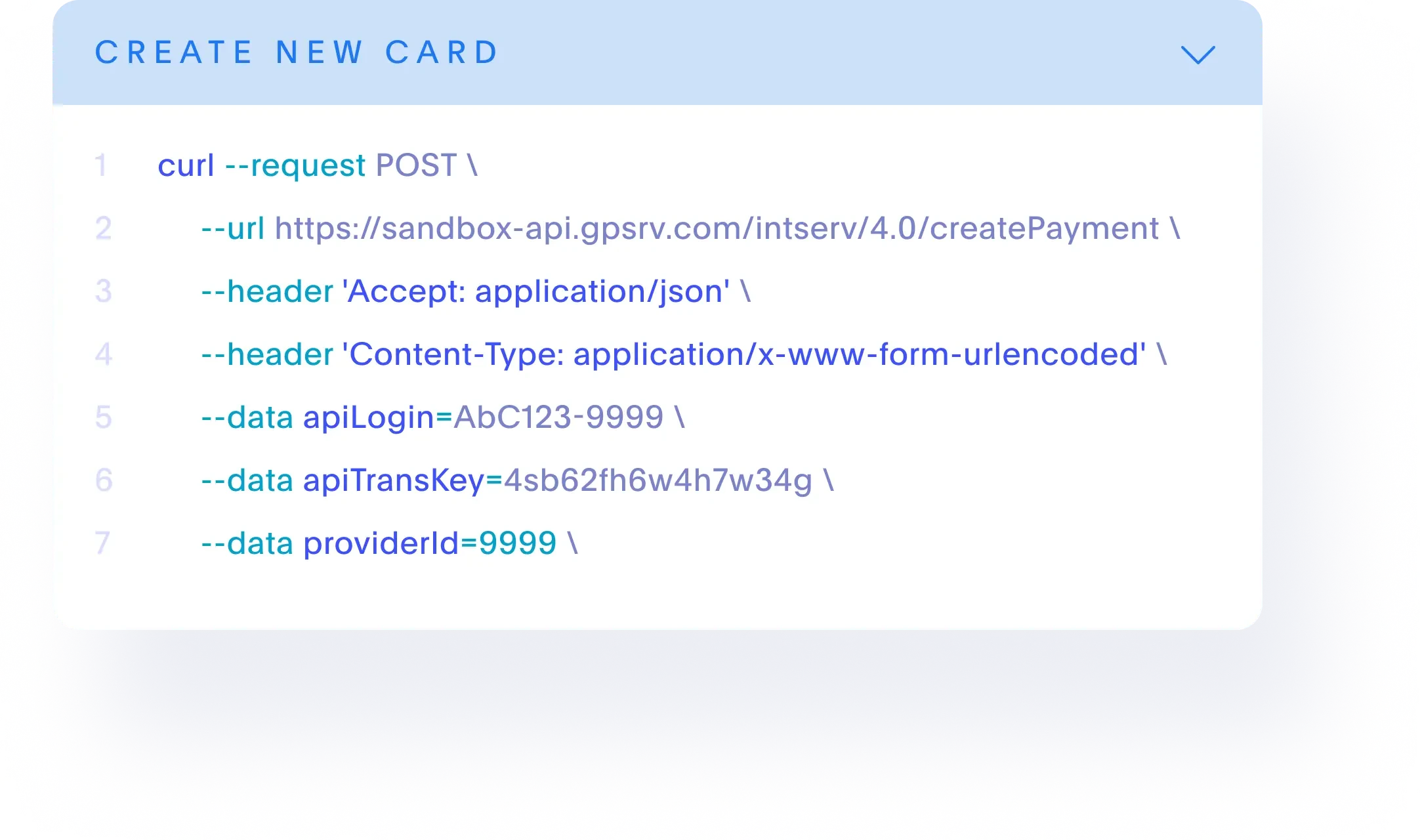
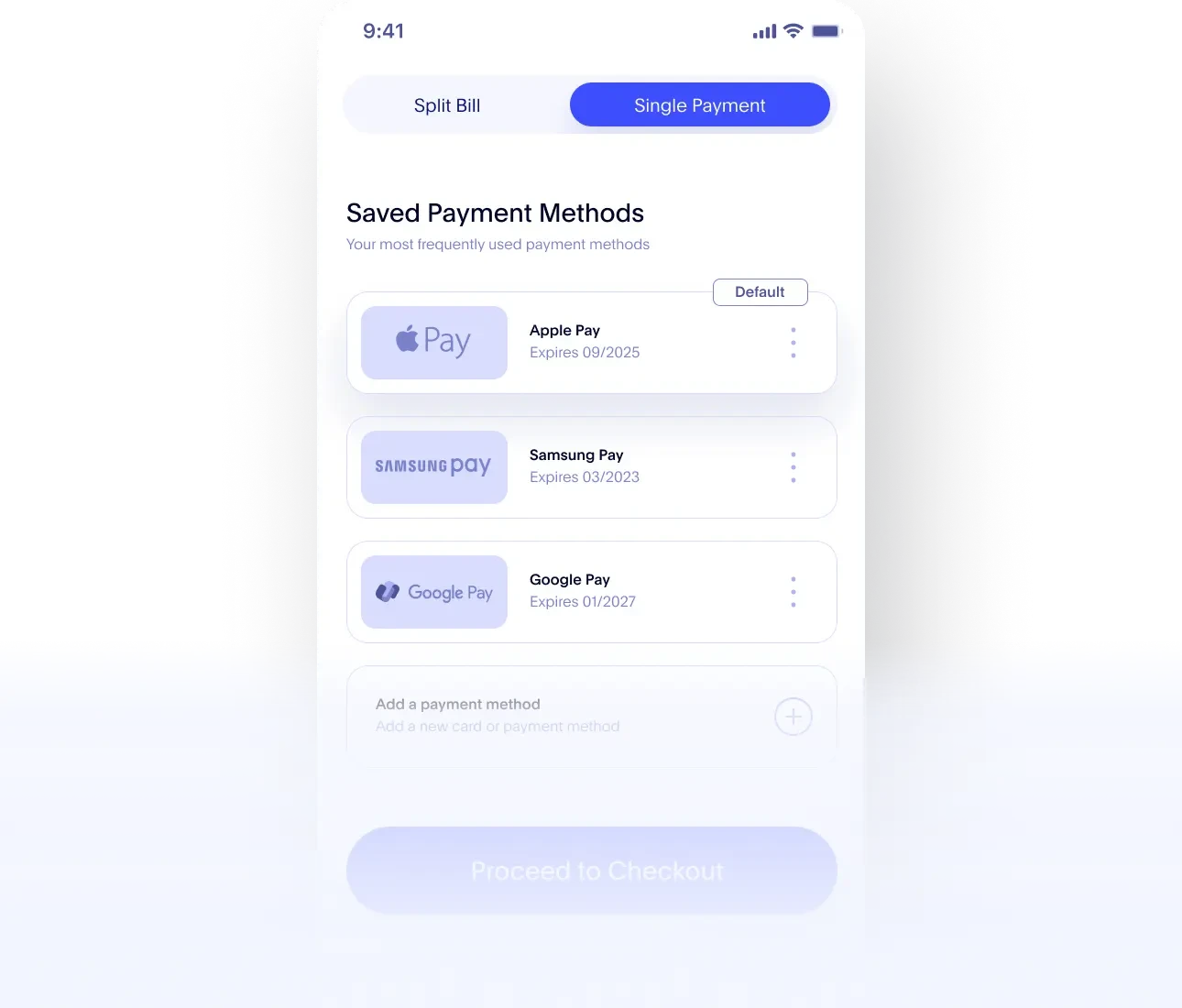
The Galileo In-App Provisioning solution allows partners to push a Visa- or Mastercard-branded digital card to major mobile wallets (Apple Pay, Samsung Pay and Google Pay) upon account creation. APIs are available to simplifyintegration.
Here are three key reasons in-app provisioning can improve the customer experience and create customer stickiness:
Consumers are embracing contactless
The ability to instantly push a live card to a mobile wallet upon application approval gives the cardholder immediate access to a digital card they can use for online or for contactless payments in the store.
The feature, which Galileo launched in 2018, has become increasingly popular with clients and is typically part of any new partner programs to ensure the digital-first experience that’s essential to cardholder activation and retention. The faster cardholders can use their cards, the more likely they may be to keep using those cards in the future.
Push provisioning doesn’t share sensitive data.
The tokenization technology behind push provisioning, whereby a digital token replaces sensitive card data, has significant security benefits. Every time cardholders spend with their mobile wallets, you and they can rest assured that their card details are not being shared or stored with the merchant.
Improving the customer experience.
One-click In-App Provisioning is a key component of any digital onboardingexperience–it’s easy–but it’s also a critical element of delivering positive customer experiences when things go wrong.
When fraud happens (or consumers lose their physical wallets), a replacement card can be provisioned to the wallet before a new card can be mailed out. Ensuring that your card is top-of-wallet means you have to be ready to enable spending at the beginning of the cardholder relationship and in those moments when customers are at their most vulnerable.
Discover how Galileo’s In-App Provisioning can improve your CX (and your bottom line).
Prevenção estratégica contra fraudes: como maximizar orçamentos restritos para garantir proteção
As perdas com fraude de identidade nos Estados Unidos chegaram a US$ 27 bilhões em 2024. Saiba como instituições financeiras podem maximizar orçamentos modestos com investimentos estratégicos em prevenção de fraudes e soluções baseadas em IA.
O que torna um programa de cartões bem-sucedido em 2026: o guia completo
Saiba como fintechs e bancos lançam programas de cartões bem-sucedidos. Principais insights sobre diferenciação, planejamento e escolha de parceiros.
Gerenciar internamente ou terceirizar? A decisão-chave por trás da gestão de programas de pagamento
Você deve desenvolver internamente ou terceirizar a gestão de programas de pagamento? Compare frameworks de decisão, custos e prazos. O mercado crescerá de US$ 1 bilhão para US$ 4 bilhões até 2034.
Como conectar um programa de cartões a uma rede de pagamentos
Saiba como conectar seu programa de cartões às redes de pagamento mantendo o controle sobre decisões de autorização e o fluxo de transações.
Por que os varejistas estão se tornando mais como bancos e como os provedores de pagamento podem se beneficiar?
Grandes varejistas estão lançando produtos financeiros como cartões de crédito de marca, carteiras digitais e compre-agora-pague-depois para construir relacionamentos mais profundos com os clientes. Finanças integradas combinam programas de fidelidade com serviços de pagamento, dando às marcas mais controle sobre a experiência e acesso a dados valiosos, enquanto bancos e provedores de pagamento fornecem a infraestrutura em conformidade.